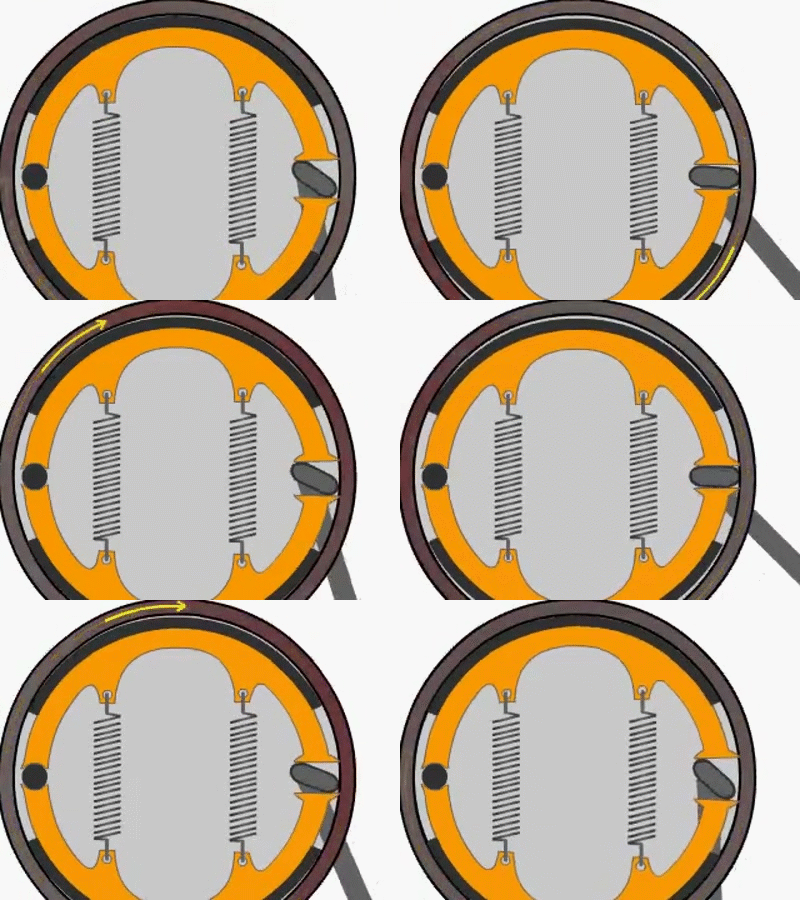
SUSPENSION
Suspensions were used in vehicles to reduce the impact on speed of the vehicle and also on the passenger. Due to the irregular surface of track, the efficiency of the vehicle will reduce and causes damage on its weaker parts. When a vehicle is going to overcome a speed breaker, there will not be any discomfort for passengers and also safeguard the load carried by heavy vehicles.
Suspension system in a vehicle should have ability to withstand the three basic vibrations on off-road they are,
*Bouncing - on crossing a speed braker
*Rolling – on turning in a curved roads
*Pitching – on crossing a uneven road ( having crust and trough )
- Dependent Suspension:
In this type of suspension two wheels were connected at each end of the straight shaft, and so both the wheels are depends upon each other. when right side wheels undergo a lift, then the body of the car slant towards left. It is a primary level of suspension.
- Independent suspension:
In this type of suspension two wheels were connected at each end of the pivoted shaft, and so both the wheels are independent to each other. When right side wheels undergo a lift then there is no disturbance in the left side wheels. It is a secondary level of suspension.
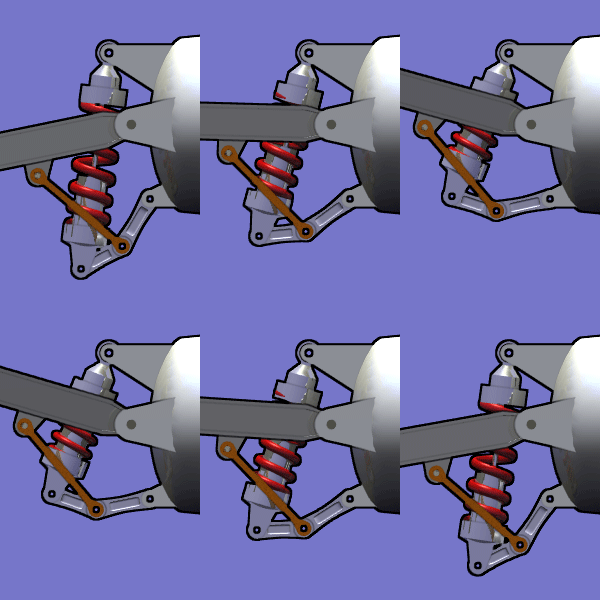
1) Coil suspension ( double A-arm )
This type of suspensions were mostly used in ‘’luxurious vehicles which carries passengers’’ like two wheelers, cars, train etc,.
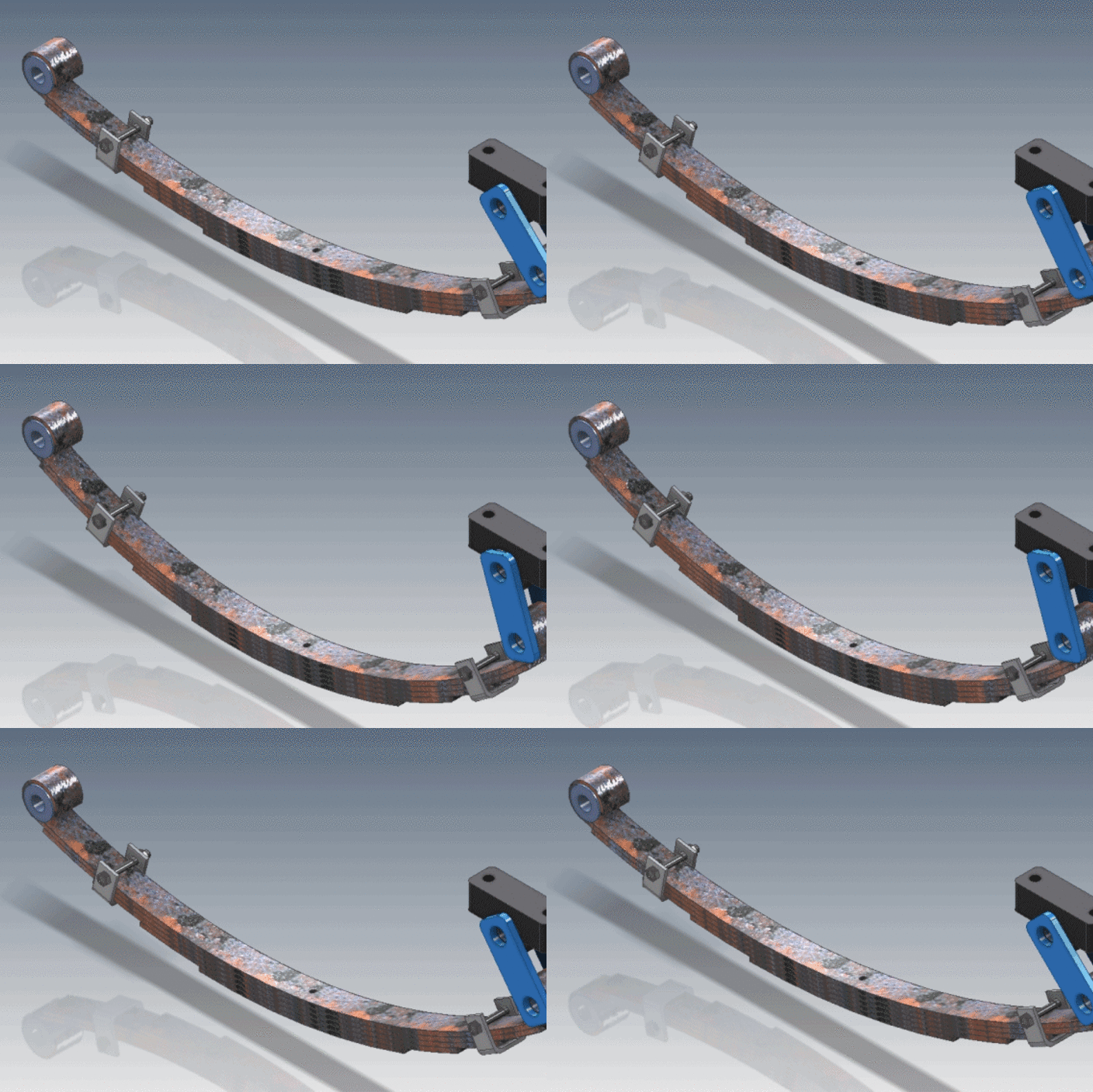
2) Leafspring suspension
This type of suspensions were mostly used in the “load vehicles which carries load’’ like lorry, truck, buses etc,. Leafs used for suspension is fixed at the one end and pivoted at the other end. It is made up of plain carbon steel. The wheel shaft can also be fixed below the leaf spring. Some heavy vehicles have inverted leaf springs like ascending in length from top.
3) Torsion bar suspension
This type of suspension system gains the energy from twisting force of the rod which is fixed perpendicular to the axis of the wheel in order to give enough suspension. By using this we can reduce the area of the interior.

4) Double wishbone suspension

5) Macpherson strut suspension

NOTE:
Why leaf spring suspension is used in heavy vehicles while coil suspension is used in the lite vehicles???
Leaf spring distribute the load to multiple points of the chassis BUT coil suspension transfers whole vehicle load in single point
RESULT
Here you can see the merit of suspension system, "driver can feel comfort while driving in the rough surfaces"